
October 24, 2026
A five-part task brief helps managers define acceptable AI-assisted work, expose missing inputs and separate a finished response from an accepted result.
A five-part task brief helps managers define acceptable AI-assisted work, expose missing inputs and separate a finished response from an accepted result.
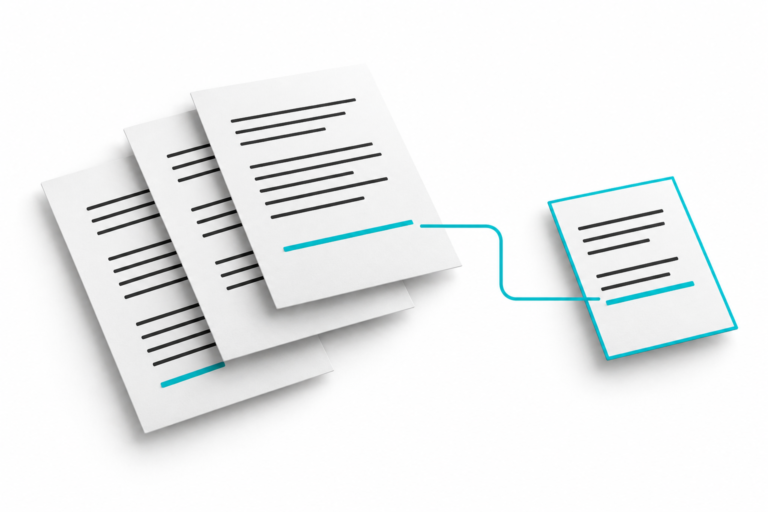
A concise AI summary can leave out the condition that changes a decision. Use a two-way review to check both supported claims and material omissions.

A useful business assistant needs a clear stopping rule. Define the evidence required to answer, distinguish reasons to abstain, and test where unresolved work goes.

Preserve human expertise after AI automation with deliberate practice, a learning path for new colleagues, and evidence of continuing competence.
Give people a practical route to challenge AI-assisted decisions, with clear review authority, relevant evidence and a reasoned response.

Build-or-buy AI decisions should start with the controls the work requires. Compare packaged, hybrid and custom options against the same operating conditions.

Low AI use can signal workflow friction, uncertainty or a poor task fit. Examine where employees switch back, then choose an intervention that improves the work.

Accepting residual AI risk requires a clear trade-off. Define the remaining exposure, affected people, decision authority, operating conditions and review triggers before proceeding.

A faster AI step will not fix every slow process. Separate work, waiting and rework, then choose the smallest change that addresses the real bottleneck.